Friday at midnight, before the main narrative
David’s Birth
[David Copperfield](entity:character-recall-character-david-copperfield-82f1c2825b29) is born at [Blunderstone Rookery](entity:location-recall-location-blunderstone-rookery-cac41aa1fb23) six months after his father’s death. Local women predict misfortune and second sight because of the hour, while his great-aunt [Betsey Trotwood](entity:character-recall-character-betsey-trotwood-29bc0a4582f7) arrives expecting a girl to name after herself.
When the baby is a boy, Betsey leaves in offended disappointment. Her failed visit establishes the family estrangement that later becomes a source of both danger and rescue.
David’s earliest years
A Childhood at the Rookery
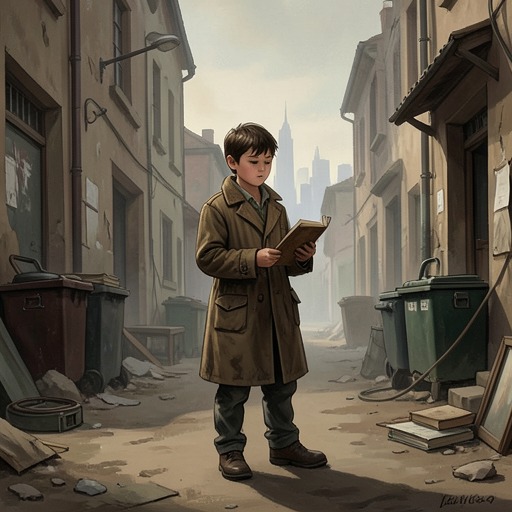
David’s first memories are of his gentle mother and the devoted servant Peggotty, alongside the garden, churchyard, and old house at [Blunderstone](entity:location-recall-location-blunderstone-eb26258537e2). His father’s grave and the stories he reads feed a vivid imagination and a habit of close observation.
At home he feels cherished, though Peggotty’s practical authority often governs the household. These peaceful impressions become the emotional standard against which David measures later cruelty and loss.
David’s early childhood, before his first visit to Yarmouth
Murdstone’s Courtship
A handsome stranger named [Edward Murdstone](entity:character-recall-character-edward-murdstone-f2bdfb39c70d) begins visiting [Clara Copperfield](entity:character-recall-character-clara-copperfield-63741b9d239f). David dislikes his dark eyes and resents his attentions to his mother, while Peggotty quietly warns Clara that the relationship is dangerous.
Clara, lonely and inexperienced, insists that nothing improper has happened. Murdstone’s growing influence begins to divide the household before David understands what is at stake.
A few months before the Murdstone marriage
The Yarmouth Holiday
Peggotty takes David to visit her brother [Daniel Peggotty](entity:character-recall-character-daniel-peggotty-b8ba2ad0a763) in [Yarmouth](entity:location-recall-location-be7213b7247e). He lives with [Ham Peggotty](entity:character-recall-character-ham-peggotty-f524530455b0), [Emily Peggotty](entity:character-recall-character-emily-peggotty-a19857825d64), and the widowed [Mrs. Gummidge](entity:character-recall-character-mrs-gummidge-4d7f47e745ee) in a converted boat-house, where David is welcomed into a warm and generous family.
David and Emily Peggotty become childhood companions and declare their love in the language of play. The visit gives him a second vision of family life, grounded in kindness rather than wealth or status.
During David’s first childhood visit to Yarmouth
Barkis’s Proposal
On the journey back, the carrier [Mr. Barkis](entity:character-recall-character-mr-barkis-a68823b6af39) asks David to tell Peggotty that he is willing to marry her. David misunderstands at first, but eventually delivers the message in a letter that repeats [Barkis](entity:character-recall-character-barkis-d3e2a5e4bda5)’s memorable declaration.
The shy courtship begins through food, gifts, and indirect messages. It later gives Peggotty a home of her own and provides David with a dependable link to his childhood refuge.
After David returns from Yarmouth
Clara’s Remarriage
David comes home to find that Clara has married [Edward Murdstone](entity:character-recall-character-edward-murdstone-f2bdfb39c70d). His old bedroom has been changed, and a fierce dog now occupies the kennel; the house feels strange before anyone has openly threatened him.
Murdstone demands firmness and obedience, while his sister [Jane Murdstone](entity:character-recall-character-jane-murdstone-68e5b810fc9d) takes control of the household keys. Clara’s authority and confidence steadily diminish under their pressure.
The months after Clara’s remarriage
The Murdstone Lessons
Edward and [Jane Murdstone](entity:character-recall-character-jane-murdstone-68e5b810fc9d) oversee David’s lessons and turn his mistakes into proof of stubbornness. Their harsh methods unsettle him so badly that he can no longer recall lessons he once knew, while Clara is too intimidated to protect him.
David finds refuge in the books his father left behind. Their adventures preserve his imagination and hope during a home life increasingly ruled by fear.
During David’s childhood at Blunderstone
David Bites Murdstone
When Murdstone raises a cane over another failed lesson, David begs him not to beat him. Murdstone strikes him anyway, and David bites his hand in desperate resistance.
He is beaten, locked in his room, and made to believe that he is the guilty party. The punishment ends with the decision to send him away to [Salem House](entity:location-recall-location-salem-house-2bb43b6224a1).
At about eight or nine years old
The Journey to Salem House
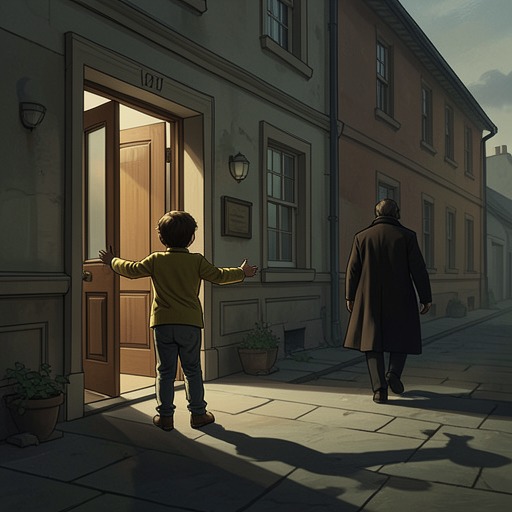
After five days of confinement, David is told he will be sent to [Salem House](entity:location-recall-location-salem-house-2bb43b6224a1) near [London](entity:location-recall-location-london-420923d4a60a). Peggotty comforts him through a keyhole, promises to care for Clara, and gives him cakes and money as he leaves.
The journey is lonely and frightening. At the inn, a waiter’s alarming stories about the school deepen David’s dread before [Mr. Mell](entity:character-recall-character-mr-mell-61414efceee8) arrives to take him onward.
David’s first weeks at Salem House
The Biting Placard
Sent to [Salem House](entity:location-recall-location-salem-house-2bb43b6224a1) during the holidays as punishment, David is made to wear a placard declaring that he bites. The empty school, decaying rooms, and wooden-legged caretaker make him feel isolated even before the other boys arrive.
The sign turns his private shame into public entertainment. David spends the remaining holidays imagining how the boys will treat him, especially [J. Steerforth](entity:character-recall-character-j-steerforth-d631a2af40e0) and [Thomas Traddles](entity:character-recall-character-thomas-traddles-6f03854fae67).
When the boys return to Salem House
Steerforth’s Protection
[Thomas Traddles](entity:character-recall-character-thomas-traddles-6f03854fae67) introduces David to the returning boys, making a joke of the placard to ease his embarrassment. [J. Steerforth](entity:character-recall-character-j-steerforth-d631a2af40e0) then declares the punishment unfair and offers to protect the much younger boy.
David gives [Steerforth](entity:character-recall-character-9318e6422dae) the money Peggotty sent him, trusting him to manage it. Steerforth spends it on a clandestine bedroom feast, and David mistakes his patronage for selfless friendship.
During David’s first half-year at Salem House
Mr. Mell’s Dismissal
When [Mr. Mell](entity:character-recall-character-mr-mell-61414efceee8) tries to quiet the boys, [J. Steerforth](entity:character-recall-character-j-steerforth-d631a2af40e0) humiliates him and reveals that his mother lives in an almshouse. Mr. Mell confirms the poverty but condemns [Steerforth](entity:character-recall-character-9318e6422dae)’s cruelty.
[Mr. Creakle](entity:character-recall-character-mr-creakle-f9ed3eac5d73) dismisses Mr. Mell rather than challenge his favoured pupil. David joins the cheers for Steerforth, then feels guilty as [Traddles](entity:character-recall-character-6e3731bac4ad) weeps for the teacher who treated him kindly.
During David’s first school half-year
Peggotty’s Visit to Salem House
[Daniel Peggotty](entity:character-recall-character-daniel-peggotty-b8ba2ad0a763) and [Ham Peggotty](entity:character-recall-character-ham-peggotty-f524530455b0) visit David, bringing shellfish and news from [Yarmouth](entity:location-recall-location-be7213b7247e). They describe [Emily Peggotty](entity:character-recall-character-emily-peggotty-a19857825d64)’s growing beauty and learning, and David is moved by their pride in her.
[Steerforth](entity:character-recall-character-9318e6422dae) joins the conversation, charming the visitors and encouraging David’s admiration. Their meeting connects the warm boat-house family to the powerful schoolboy whose influence will later bring disaster.
David’s ninth birthday, during his second school term
Clara’s Death
On David’s birthday, Mrs. Creakle tells him that Clara is dangerously ill and then dead. He returns to [Blunderstone](entity:location-recall-location-blunderstone-eb26258537e2) for the funeral, where he learns that his infant brother has also died.
Peggotty describes Clara’s last days and her final blessing for her children. In David’s memory, his mother’s youthful image replaces the later, diminished figure of her final years.
During David’s first holiday after Clara’s death
Peggotty’s Marriage
David spends time with Peggotty and the [Yarmouth](entity:location-recall-location-be7213b7247e) family, where he learns that [Mr. Barkis](entity:character-recall-character-mr-barkis-a68823b6af39) and Peggotty have quietly married. Their union is affectionate and practical, and Peggotty reassures David that she will remain his devoted friend.
[Emily Peggotty](entity:character-recall-character-emily-peggotty-a19857825d64) has grown more confident and womanly, while David still cherishes his childhood attachment to her. He leaves Yarmouth comforted, but returns to a home where the Murdstones have little interest in him.
After Clara’s death and Peggotty’s dismissal
David Is Sent to Work
[Mr. Murdstone](entity:character-recall-character-mr-murdstone-bd14c188f503) decides that David will not return to school and sends him to work at [Murdstone and Grinby's warehouse](entity:location-recall-location-murdstone-and-grinby-b4a14e5de246) in [London](entity:location-recall-location-london-420923d4a60a). At ten years old, David becomes a child labourer, washing and labelling bottles among rough adult workers.
The work humiliates him and threatens to extinguish his ambitions, though he hides his suffering from Peggotty. The experience establishes the hardship from which he will later escape by running to [Betsey Trotwood](entity:character-recall-character-betsey-trotwood-29bc0a4582f7).
During David’s early London employment
The Micawber Household
[Mr. Quinion](entity:character-recall-character-mr-quinion-dc5eb2d8c4b7) arranges for David to lodge with [Mr. Micawber](entity:character-recall-character-mr-micawber-db40d10de91b) and [Mrs. Micawber](entity:character-recall-character-mrs-micawber-fef42c5fd20c) in [Windsor Terrace](entity:location-recall-location-ab5fb9451fad). Their precarious home is crowded with children, creditors, and grand talk about future prospects.
David becomes attached to the family, helping Mrs. Micawber sell possessions and visiting Mr. Micawber in the [King's Bench Prison](entity:location-recall-location-040a5c2a6e4a) after his arrest. The Micawbers’ warmth gives him companionship, but their financial troubles deepen his sense of instability.
After Mr. Micawber’s release from prison
The Micawbers Leave London
[Mr. Micawber](entity:character-recall-character-mr-micawber-db40d10de91b) is released under the [Insolvent Debtors Act](entity:rule-recall-rule-a61fff841756), and the family prepares to leave [London](entity:location-recall-location-london-420923d4a60a) in search of employment. He gives David his familiar advice about living within one’s income and avoiding procrastination, though he rarely follows it himself.
The impending separation makes David recognize how friendless he will be without them. As the family leaves, he resolves to run away and seek the only relative he can reach: [Betsey Trotwood](entity:character-recall-character-betsey-trotwood-29bc0a4582f7).
At about ten years old, after the Micawbers’ departure
The Runaway Plan
David secretly writes to Peggotty, asking for money and the location of [Betsey Trotwood](entity:character-recall-character-betsey-trotwood-29bc0a4582f7)’s home near [Dover](entity:location-recall-location-dover-bee6bc10504b). He decides to leave the warehouse after receiving his wages, unwilling to abandon his obligations even as he plans his escape.
A young man with a donkey-cart steals David’s money and box, then rides away. David is left with almost nothing, but continues toward Dover rather than return to the Murdstones.
The six days after David’s flight from London
The Road to Dover
David sells his waistcoat and jacket for small sums, sleeps outdoors, and endures hunger, exhaustion, and threats from trampers. A tinker robs and assaults a woman before David, deepening his fear of the road.
His sustaining image of his mother helps him continue. Reaching [Dover](entity:location-recall-location-dover-bee6bc10504b) at last, he asks after [Betsey Trotwood](entity:character-recall-character-betsey-trotwood-29bc0a4582f7) and is directed to her cottage by the sea.
At the end of David’s six-day flight
Betsey Takes in David
David approaches [Betsey Trotwood](entity:character-recall-character-betsey-trotwood-29bc0a4582f7) in her garden and reveals that he is her nephew. He tells her of his misery, his mother’s death, and the journey that brought him to her, then collapses into tears.
Betsey restores him, summons [Mr. Dick](entity:character-recall-character-mr-dick-266c39c499b2), and questions what ought to be done. Her anger at the Murdstones gives way to compassion as she hears David’s story and chooses to protect him.
The day after David reaches Betsey’s cottage
The Murdstones Come to Dover
Edward and [Jane Murdstone](entity:character-recall-character-jane-murdstone-68e5b810fc9d) arrive to reclaim David, describing him as disobedient and unmanageable. Betsey challenges their treatment of Clara and David, rejects their account, and refuses to hand him back.
[Mr. Dick](entity:character-recall-character-mr-dick-266c39c499b2) advises that David be fitted with proper clothes, and Betsey adopts him under the name Trotwood Copperfield. The decision ends his years of abuse and gives him a stable home and renewed education.
Soon after Betsey adopts him
David Enters Doctor Strong’s School
Betsey brings David to [Canterbury](entity:location-recall-location-canterbury-d9d154d6633e) and arranges for him to attend [Doctor Strong](entity:character-recall-character-doctor-strong-f78aeea385dc)’s school. The school relies on the boys’ honour and good faith, a sharp contrast to [Mr. Creakle](entity:character-recall-character-mr-creakle-f9ed3eac5d73)’s regime at [Salem House](entity:location-recall-location-salem-house-2bb43b6224a1).
David boards with [Mr. Wickfield](entity:character-recall-character-mr-wickfield-af9f4ef69800) and meets [Agnes Wickfield](entity:character-recall-character-agnes-wickfield-667313a52a7a), whose calm kindness becomes a lasting source of comfort and guidance. [Uriah Heep](entity:character-recall-character-uriah-heep-3da5750d5c67), then a clerk in the house, makes an unsettling first impression.
During David’s first years at Doctor Strong’s school
Mr. Dick Finds a Purpose
[Mr. Dick](entity:character-recall-character-mr-dick-266c39c499b2) becomes a regular visitor to [Canterbury](entity:location-recall-location-canterbury-d9d154d6633e), welcomed by David’s school and admired by the boys. His kite, covered with fragments of his unfinished Memorial, gives him pleasure and a sense of purpose.
He befriends [Doctor Strong](entity:character-recall-character-doctor-strong-f78aeea385dc) and becomes a gentle presence in the school community. His simple practical sympathy will later help bring divided people together.
During David’s school years in Canterbury
The Doctor’s Birthday Party
At a birthday gathering for [Doctor Strong](entity:character-recall-character-doctor-strong-f78aeea385dc), [Jack Maldon](entity:character-recall-character-jack-maldon-0c2ae1b446a2) prepares to depart for India. [Annie Strong](entity:character-recall-character-annie-strong-38cefe7a6907)’s distress and the missing cherry-coloured ribbon hint at an attachment that she cannot openly acknowledge.
David later sees her in the Doctor’s study, pale and troubled, urgently seeking reassurance that she remains within her husband’s confidence. The moment plants a suspicion that gains meaning as David grows older.
From roughly age ten to seventeen
David’s School Years
David flourishes at [Doctor Strong](entity:character-recall-character-doctor-strong-f78aeea385dc)’s school, rising to head boy and gaining confidence in his studies and friendships. His youthful infatuations with Miss Shepherd and the eldest Miss Larkins pass, and he fights the [Canterbury](entity:location-recall-location-canterbury-d9d154d6633e) butcher after repeated taunts.
Agnes remains his trusted friend, while his memories of poverty and labour fade without disappearing. When school ends, he must decide how to begin adult life.
At about seventeen, after leaving school
David Chooses the Commons
[Betsey Trotwood](entity:character-recall-character-betsey-trotwood-29bc0a4582f7) asks David to consider a profession, and he has no strong preference beyond wanting to avoid burdening her. She gives him a period of freedom to look about him and think for himself.
After visiting [Canterbury](entity:location-recall-location-canterbury-d9d154d6633e) and bidding farewell to Agnes and [Doctor Strong](entity:character-recall-character-doctor-strong-f78aeea385dc), David travels to [London](entity:location-recall-location-london-420923d4a60a). His aunt’s proposal that he become a proctor introduces him to Doctors’ Commons and a career he accepts as a practical beginning.
During David’s first independent journey to London
Steerforth’s Return
At the [Golden Cross](entity:location-recall-location-071dac5eddd9), David unexpectedly meets [James Steerforth](entity:character-recall-character-james-steerforth-3d78782ada60), now a young man at Oxford. [Steerforth](entity:character-recall-character-9318e6422dae) welcomes him warmly, improves his lodging, and invites him to visit his mother at [Highgate](entity:location-recall-location-highgate-6b5bc269e3ef).
David is once again captivated by Steerforth’s charm and assumes their old intimacy remains unchanged. [Mrs. Steerforth](entity:character-recall-character-mrs-steerforth-7ce4195cf1b9) receives him graciously, while [Rosa Dartle](entity:character-recall-character-rosa-dartle-caa3d0ececc1) watches him and asks pointed questions about the [Yarmouth](entity:location-recall-location-be7213b7247e) family.
Soon after David and Steerforth reunite
A Visit to the Peggottys
David and [James Steerforth](entity:character-recall-character-james-steerforth-3d78782ada60) travel to [Yarmouth](entity:location-recall-location-be7213b7247e) and visit the Peggotty family. They arrive on the night [Ham Peggotty and Emily Peggotty](entity:relation-recall-relation-ham-peggotty-and-emi-14b42bd03291) announce their engagement, and [Daniel Peggotty](entity:character-recall-character-daniel-peggotty-b8ba2ad0a763) celebrates the union with unrestrained joy.
[Steerforth](entity:character-recall-character-9318e6422dae) charms the family and seems to share their happiness. David interprets his generous manner as proof of deep sympathy, though Steerforth privately belittles [Ham](entity:character-recall-character-ham-d7883aa636d4) and treats the family as a novelty.
During David and Steerforth’s Yarmouth visit
Martha Seeks Emily’s Help
[Martha](entity:character-recall-character-martha-d013454074d5), a former schoolmate of [Emily Peggotty](entity:character-recall-character-emily-peggotty-a19857825d64), appears in distress and asks [Emily](entity:character-recall-character-emily-79a1b5f3c22d) to help her leave [Yarmouth](entity:location-recall-location-be7213b7247e) for [London](entity:location-recall-location-london-420923d4a60a). Emily gives her money, while [Ham Peggotty](entity:character-recall-character-ham-peggotty-f524530455b0) helps her despite his jealousy and the town’s contempt for Martha.
The encounter reveals Emily’s compassion and deepens her awareness of the vulnerability of women who are shunned. David sees how much she values [Ham](entity:character-recall-character-ham-d7883aa636d4), though he also senses the strain beneath her engagement.
Near the end of the Yarmouth visit
Steerforth Buys a Boat
[Steerforth](entity:character-recall-character-9318e6422dae) buys a boat for [Daniel Peggotty](entity:character-recall-character-daniel-peggotty-b8ba2ad0a763) and arranges for it to be refitted and renamed [The Little Em'ly](entity:object-recall-object-the-little-em-ly-1d0450f9ab04). David takes the gift as evidence of generous affection for the family.
Steerforth is restless and speaks of wanting a more meaningful course in life, but he soon turns back toward excitement and travel. His actions foreshadow the harm hidden beneath his charm and apparent generosity.
After David’s return from Yarmouth
David’s First London Home
David begins his apprenticeship at [Spenlow and Jorkins](entity:organization-recall-organization-spenlow-and-jork-04237997251b) and rents furnished chambers in [Buckingham Street](entity:location-recall-location-buckingham-street-a5d0ce370a5c). His aunt hopes that independent living will teach him self-reliance, while David delights in having a home of his own.
[Steerforth](entity:character-recall-character-9318e6422dae) arrives late for a dinner at David’s rooms, bringing two friends and leading the evening into heavy drinking and dissipation. David is carried to the theatre, where he encounters Agnes and humiliates himself before her.
During David’s early apprenticeship
Uriah Pursues Agnes
At a dinner at Mr. Waterbrook’s, [Uriah Heep](entity:character-recall-character-uriah-heep-3da5750d5c67) subtly draws out David’s information about [Mr. Wickfield](entity:character-recall-character-mr-wickfield-af9f4ef69800) and Agnes. He reveals to David that he loves Agnes and hopes his growing power in the firm will eventually win her.
David is repelled and recognizes that Uriah has deliberately confided in him to secure his silence. He leaves the encounter alarmed for Agnes and her father, but does not yet know how to intervene.
During David’s first visit to Mr. Spenlow’s home
David Falls for Dora
David meets [Dora Spenlow](entity:character-recall-character-dora-spenlow-92d236cabe99) and falls instantly in love, idealizing her as a fairy-like creature. He learns that [Miss Murdstone](entity:character-recall-character-miss-murdstone-5077c2b5c3ac) is Dora’s companion and protector, bringing his painful childhood back into his new romance.
David’s infatuation grows through visits, walks, and imagined scenes of marriage. He overlooks practical questions and treats Dora’s charm as the answer to every uncertainty.
After David’s first visits to Norwood
The Picnic and Engagement
At Dora’s birthday picnic, David grows jealous of other guests but is reconciled with her through Miss Mills’s intervention. He and Dora become secretly engaged, with the aunts’ permission for visits but strict rules against private communication.
David promises not to contact Dora without their knowledge. The engagement delights him, though he has little understanding of the practical life that marriage will require.
During David’s early courtship with Dora
Betsey’s Financial Ruin
[Betsey Trotwood](entity:character-recall-character-betsey-trotwood-29bc0a4582f7) tells David that she has lost almost all her money through investments in mining, treasure hunting, and a failed bank. She refuses to dramatize the loss, but David realizes that she can no longer support him as before.
Agnes helps devise a way for David to earn money as secretary to [Doctor Strong](entity:character-recall-character-doctor-strong-f78aeea385dc). David resolves to work harder, believing that his efforts can make him worthy of Dora.
After Betsey’s losses
David Works for Doctor Strong
David becomes [Doctor Strong](entity:character-recall-character-doctor-strong-f78aeea385dc)’s secretary, combining his work at Doctors’ Commons with early morning and evening hours on the Dictionary. He embraces a demanding schedule as a means of earning his living and proving his devotion to Dora.
His new discipline sharpens the contrast between his earnestness and Dora’s childish dislike of practical concerns. David’s work becomes both a source of purpose and a measure of the distance between them.
After their engagement and David’s early working years
David and Dora Marry
David and Dora marry in a joyful ceremony attended by family and friends. David is overwhelmed by the event and experiences the wedding as a dream come true.
The marriage begins in love but without a practical plan for household life. David assumes that his devotion will bridge their differences, while Dora remains frightened by serious discussions and responsibilities.
During David’s work as Doctor Strong’s secretary
The Strongs’ Reconciliation
[Uriah Heep](entity:character-recall-character-uriah-heep-3da5750d5c67) uses the suspicions surrounding [Annie Strong and Jack Maldon](entity:relation-recall-relation-annie-strong-and-jac-81304d2cb853) to distress [Doctor Strong](entity:character-recall-character-doctor-strong-f78aeea385dc) and manipulate those around him. David realizes that Heep has used him in his scheme and finally strikes him in anger.
[Mr. Dick](entity:character-recall-character-mr-dick-266c39c499b2)’s affection helps Doctor Strong and Annie reconcile. Annie explains her former feelings for Maldon and her enduring love and respect for her husband; Doctor Strong responds with trust rather than blame.
After David and Dora’s marriage
Emily Escapes Littimer
[James Steerforth](entity:character-recall-character-james-steerforth-3d78782ada60) grows tired of [Emily Peggotty](entity:character-recall-character-emily-peggotty-a19857825d64) after taking her abroad, abandons her, and has [Littimer](entity:character-recall-character-littimer-3080c53a14d9) tell her that she should marry him. [Emily](entity:character-recall-character-emily-79a1b5f3c22d) escapes through a window and then disappears.
[Daniel Peggotty](entity:character-recall-character-daniel-peggotty-b8ba2ad0a763) continues searching for her, while [Martha](entity:character-recall-character-martha-d013454074d5) Endell resolves to help find her. The news reaches [David Copperfield](entity:character-recall-character-david-copperfield-82f1c2825b29), deepening the grief of the already shattered [Yarmouth](entity:location-recall-location-be7213b7247e) family.
During David’s early married life
Uriah’s Hold on Wickfield
[Uriah Heep](entity:character-recall-character-uriah-heep-3da5750d5c67) tightens his control over [Mr. Wickfield](entity:character-recall-character-mr-wickfield-af9f4ef69800), exploiting his drinking, grief, and fear. Agnes remains close to her father but is kept from protecting him fully, while Heep continues to present himself as humble and indispensable.
David confronts Heep about his designs on Agnes, but Heep turns the encounter into a threat. His power over the [Wickfield](entity:character-recall-character-wickfield-3752d728e384) household becomes a central danger that David cannot yet expose.
During the period of the Strongs’ reconciliation
The Strong Will and Dick’s Intervention
[Doctor Strong](entity:character-recall-character-doctor-strong-f78aeea385dc) makes a will leaving his property to Annie, revealing his deep trust in her. [Mr. Dick](entity:character-recall-character-mr-dick-266c39c499b2) recognizes that the couple’s estrangement comes from an unspoken misunderstanding and encourages them to speak openly.
Annie and Doctor Strong reconcile, and Mr. Dick’s simplicity proves more effective than the complicated suspicions surrounding them. His role confirms his unusual insight into things that worldly people overlook.
After Emily escapes from Littimer
The Search for Emily
[Daniel Peggotty searches for Emily](entity:event-recall-event-cef45fb3abf9) throughout Europe, following rumors and local clues, but refuses to believe that she is dead. He learns that she and [James Steerforth](entity:character-recall-character-james-steerforth-3d78782ada60) have traveled from place to place, but always arrives too late to find them.
[Emily](entity:character-recall-character-emily-79a1b5f3c22d) sends him money anonymously, and later writes to [Mrs. Gummidge](entity:character-recall-character-mrs-gummidge-4d7f47e745ee) to ask after her uncle. Shame keeps her from returning home, although her longing for her family continues to grow.
During David’s married life
Betsey’s Husband Reappears
The mysterious man who has frightened [Betsey Trotwood](entity:character-recall-character-betsey-trotwood-29bc0a4582f7) is revealed to be her estranged husband, now ruined and dependent on her money. She has secretly helped him for years rather than expose him to punishment.
Betsey admits to David that she once loved and trusted the man, and that her attachment still makes her vulnerable despite his betrayal. The disclosure explains the secrecy that had puzzled [Mr. Dick](entity:character-recall-character-mr-dick-266c39c499b2).
During David and Dora’s marriage
The Storm at Yarmouth
A tremendous storm strikes the [Yarmouth](entity:location-recall-location-be7213b7247e) coast, wrecking ships and terrifying the town. David arrives amid the chaos and learns that [Ham Peggotty](entity:character-recall-character-ham-peggotty-f524530455b0) has gone out to help a vessel in distress.
[Ham](entity:character-recall-character-ham-d7883aa636d4) swims toward the wreck to save its last survivor, but the sea overwhelms him. The storm brings David face to face with the wreckage of the friendships and hopes that once defined his childhood.
During the Yarmouth storm
Steerforth’s Death
The survivor from the wreck is [James Steerforth](entity:character-recall-character-james-steerforth-3d78782ada60), whose body is found on the shore with his head resting on his arm. [Ham](entity:character-recall-character-ham-d7883aa636d4) has also drowned in the attempt to save him.
David mourns the friend he once idealized, remembering both [Steerforth](entity:character-recall-character-9318e6422dae)’s brilliance and his betrayal. [Daniel Peggotty](entity:character-recall-character-daniel-peggotty-b8ba2ad0a763) and the [Yarmouth](entity:location-recall-location-be7213b7247e) community grieve Ham as a brave and generous man.
After the Yarmouth storm
The Search Reaches Martha
Still searching for [Emily](entity:character-recall-character-emily-79a1b5f3c22d), [Daniel Peggotty](entity:character-recall-character-daniel-peggotty-b8ba2ad0a763) and David encounter [Martha](entity:character-recall-character-martha-d013454074d5) Endell beside the Thames, where she is close to despair. She tells them that she cannot escape the river’s pull or the shame of her life.
Daniel asks her to help find Emily and promises that the family will trust her. The work gives Martha a reason to live and turns her from an outcast into a vital ally.
Some months after the storm
Emily Returns to Daniel
[Martha](entity:character-recall-character-martha-d013454074d5) finds [Emily](entity:character-recall-character-emily-79a1b5f3c22d) living in [London](entity:location-recall-location-london-420923d4a60a) and rescues her from a lodging where she is threatened by [Rosa Dartle](entity:character-recall-character-rosa-dartle-caa3d0ececc1)’s exposure and contempt. Daniel arrives in time to embrace his niece and take her away from the city.
Emily explains how [Steerforth](entity:character-recall-character-9318e6422dae) abandoned her and how she struggled to survive abroad. Daniel forgives her without reservation and prepares to begin a new life with her in [Australia](entity:location-recall-location-australia-443153725cd3).
After the deaths of Dora, Ham, and Steerforth
David’s Grief and Exile
Overwhelmed by loss, David leaves [England](entity:location-recall-location-england-b153c1f368ea) and wanders through Europe. He carries the deaths of Dora, [Ham](entity:character-recall-character-ham-d7883aa636d4), and [Steerforth](entity:character-recall-character-9318e6422dae) as a single burden, at first unable to imagine a future beyond grief.
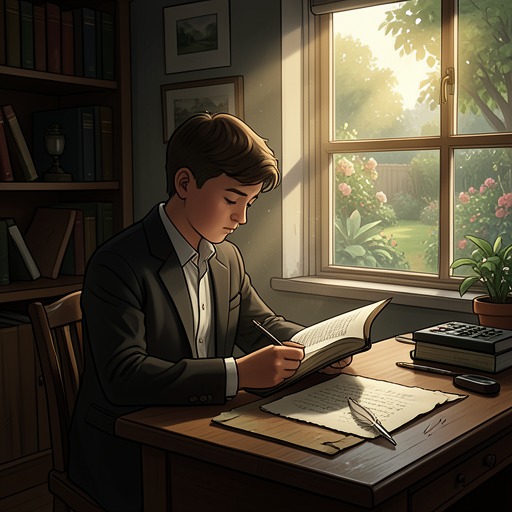
His work and travel gradually restore his health and discipline. Agnes’s letters remind him that his sorrow can become strength, and he begins writing again with renewed purpose.
During David’s years abroad
Mr. Peggotty Finds Emily
[Daniel Peggotty](entity:character-recall-character-daniel-peggotty-b8ba2ad0a763) continues searching across Europe, sustained by his certainty that [Emily](entity:character-recall-character-emily-79a1b5f3c22d) is alive. He follows her trail through [France](entity:location-recall-location-4f282e1af8a7) and [Switzerland](entity:location-recall-location-switzerland-0000fd9db54c) but repeatedly arrives after she has left.
Emily sends small sums of money and messages asking about her family. Daniel refuses the money and keeps her home ready, trusting that she may return when she can bear to face him.
Three years after leaving England
David Returns to England
After a long absence, David returns to [London](entity:location-recall-location-london-420923d4a60a), where he finds [Traddles](entity:character-recall-character-6e3731bac4ad) established in his legal career and newly married to [Sophy](entity:character-recall-character-sophy-ad422c052b3a). The marriage has not made them wealthy, but their practical affection and cheerful household impress him.
David also learns that [Mr. Micawber](entity:character-recall-character-mr-micawber-db40d10de91b) has again fallen into financial trouble and is working for [Uriah Heep](entity:character-recall-character-uriah-heep-3da5750d5c67). The news revives his suspicion that Heep is exploiting [Mr. Wickfield](entity:character-recall-character-mr-wickfield-af9f4ef69800) and Agnes.
Soon after his return to London
David Visits the Prison
David and [Traddles](entity:character-recall-character-6e3731bac4ad) visit a prison where [Mr. Creakle](entity:character-recall-character-mr-creakle-f9ed3eac5d73) now presides over a system of solitary confinement. There they encounter [Uriah Heep](entity:character-recall-character-uriah-heep-3da5750d5c67) and [Littimer](entity:character-recall-character-littimer-3080c53a14d9), each performing penitence for the visitors.
David learns from a warder that Heep was convicted of fraud and conspiracy, while Littimer was transported for robbing his young master. Their pious displays reveal how readily the prison system rewards performance rather than genuine reform.
After David’s return
Agnes Chooses Her Own Life
David revisits [Canterbury](entity:location-recall-location-canterbury-d9d154d6633e) and finds Agnes still devoted to her father and to the school she has built for girls. Her love for David remains hidden behind their familiar sibling-like friendship.
[Mr. Wickfield](entity:character-recall-character-mr-wickfield-af9f4ef69800) is now a gentler, more stable man, and Agnes has made a life of useful work. David struggles to accept that she may love someone else and tries to honour the boundaries he believes their past has fixed.
After David’s return from abroad
David and Agnes Marry
David finally tells Agnes that he has loved her for years and that his devotion has survived his marriage to Dora and his long absence. Agnes reveals that she has loved him all her life.
They marry quietly, with close friends present. Dora’s last request—that Agnes occupy the vacant place in David’s life—gives their union a tender connection to the past.
After Uriah Heep’s fraud is exposed
The Micawbers Settle in Australia
With financial help from [Betsey Trotwood](entity:character-recall-character-betsey-trotwood-29bc0a4582f7) and others, the Micawbers emigrate with the Peggotty party to [Australia](entity:location-recall-location-australia-443153725cd3). [Mr. Micawber](entity:character-recall-character-mr-micawber-db40d10de91b)’s fortunes improve, and he becomes a respected magistrate in [Port Middlebay](entity:location-recall-location-port-middlebay-84da6ef2b532).
[Daniel Peggotty](entity:character-recall-character-daniel-peggotty-b8ba2ad0a763), [Emily](entity:character-recall-character-emily-79a1b5f3c22d), [Martha](entity:character-recall-character-martha-d013454074d5), [Mrs. Gummidge](entity:character-recall-character-mrs-gummidge-4d7f47e745ee), and the Micawbers build new lives. [Ham](entity:character-recall-character-ham-d7883aa636d4)’s message and remembered love remain part of Emily’s life, but she chooses not to marry again.
Ten years after David and Agnes marry
Mr. Peggotty’s Return Visit
Mr. Peggotty returns to [England](entity:location-recall-location-england-b153c1f368ea) for a short visit and tells David and Agnes that the emigrants have prospered in [Australia](entity:location-recall-location-australia-443153725cd3). [Emily](entity:character-recall-character-emily-79a1b5f3c22d) is respected and helpful to others, though she remains quiet and unmarried.
He also brings news of [Mr. Micawber](entity:character-recall-character-mr-micawber-db40d10de91b)’s success as a magistrate and of the family’s comfortable life. David is pleased that those who suffered most have found security and purpose.
The closing years of David’s narrative
The Last Retrospect
David looks back on the people who shaped his life: [Betsey Trotwood](entity:character-recall-character-betsey-trotwood-29bc0a4582f7) and Peggotty, [Mr. Dick](entity:character-recall-character-mr-dick-266c39c499b2), the Strongs, the Micawbers, and the [Traddles](entity:character-recall-character-6e3731bac4ad) family. He sees their fortunes changed but their defining qualities still present in their old age.
His final vision is of Agnes beside him, still the guiding presence who helped him endure sorrow and grow into himself. The story closes with gratitude for her love and the hope that she will remain near him to the end.